Best Anti-Aging Skincare for Women Over 40: Fine Lines + Firmness
What actually changes in the skin after 40, the five ingredients worth your time, and how to build a routine for fine lines and firmness — with a realistic timeline.
What changes in your skin after 40
Collagen and elastin — the proteins that give skin its structure and its bounce — decline steadily from our twenties onwards, and the drop in oestrogen around perimenopause speeds that up. Oil production often falls too, and the barrier becomes less efficient at holding water.
The practical result is a mix of fine lines, dryness and a slight loss of springiness. That is biology rather than a failure of your routine, and it is why a routine for 40-plus skin looks different from a 20-something one: fewer harsh steps, more barrier support, and actives introduced slowly.
Fine lines versus deeper lines
Fine lines around the eyes and mouth are largely a surface story — dehydration, repeated expression, and thinning of the upper skin layers. Deeper folds and laxity involve the dermis and the fat beneath it. Topical skincare has real influence on the first group and much less on the second, so treat lifting claims sceptically. What a good routine genuinely improves is texture, tone and hydration.
Why hydration changes everything
When skin holds water well, fine lines look softer, tone looks more even, and makeup sits better. That is why hydrating ingredients often produce the fastest visible improvement — and why a barrier-supporting moisturiser belongs in almost every routine after 40.
The ingredients worth your time
Retinoids
Vitamin A derivatives and the best-studied topical ingredient for fine lines and texture. Prescription tretinoin is the strongest; over-the-counter retinol and retinaldehyde are gentler. A low strength used consistently usually beats a high strength abandoned after a week.
Peptides
Short chains of amino acids. The research is more mixed than for retinoids, but they are well tolerated and easy to combine with other steps, which makes them a sensible partner rather than a replacement.
Vitamin C
A daytime antioxidant, usually chosen for uneven tone and dullness. It works alongside sunscreen, not instead of it.
Hyaluronic acid and glycerin
Humectants that hold water in the upper layers of the skin. Fast, dependable comfort — but seal them with a moisturiser, especially in dry air.
Ceramides and barrier lipids
Ceramides, cholesterol and fatty acids rebuild the barrier that both age and actives wear down. If your skin stings or flakes, this is usually the fix rather than another active.
The step with the strongest evidence
If you change one thing, make it daily broad-spectrum sunscreen with SPF 30 or higher. UV exposure is the biggest external contributor to the visible signs of ageing, and unlike most claims in skincare, this one is not seriously disputed. Apply it generously as the last step of your morning routine.
A routine that fits together
- Morning: gentle cleanse, optional vitamin C, moisturiser, sunscreen.
- Evening: remove sunscreen and makeup, then a low-strength retinoid two or three nights a week, with moisturiser on top.
- On non-retinoid nights: peptides or a hydrating serum, then moisturiser.
Layer from thinnest to richest, and resist adding a second active until your skin is comfortable with the first. Our guide to how to layer skincare products walks through the order in detail.
How long it really takes
Hydration looks better within days. Texture and fine lines typically take eight to twelve weeks of consistent use, and firmness is the slowest of all. Photograph your skin in the same light every month — memory is unreliable and progress is gradual.
What we would not bother with
Elaborate multi-step routines, products that promise ten actives in one bottle, and anything claiming dramatic lifting. A short routine you keep up with will outperform a long one you abandon. If budget is your main concern, start with how to build an affordable skincare routine.
Read next
- Retinol vs. peptides for fine lines
- Beginner's guide to retinol after 40
- Best ingredients for dry, mature skin
This guide is educational and is not medical advice. Please speak with a dermatologist about anything personal to your skin.
Products in this guide
Mentioned picks
Each listing is a starting point, not a prescription. Check the current ingredients and price with the retailer before you buy.
Affiliate disclosure: Some links on this site are affiliate links, including our Benable skincare collection. If you click one and make a purchase, we may earn a small commission from qualifying purchases, at no additional cost to you. We only include products we believe are worth your consideration. Read our full Affiliate Disclosure. Independent picks
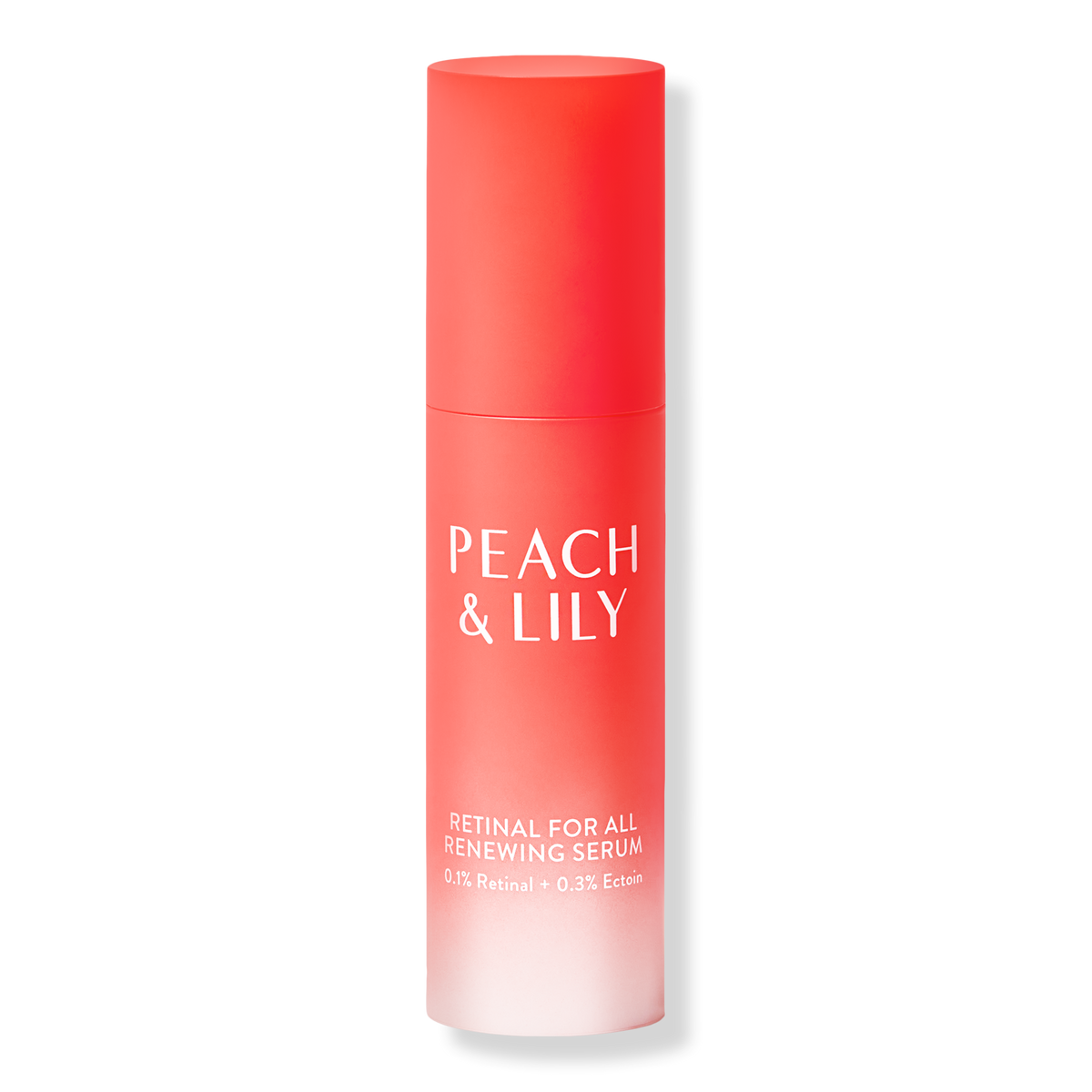
Peach & Lily
Retinal For All Renewing Serum
A night serum built on 0.1% encapsulated retinal with 0.3% ectoin — a gentle, gradual way into retinoids for fine lines and uneven texture.
- Best for
- Fine Lines & Wrinkles
- Key ingredients
- Encapsulated retinal (0.1%) · Ectoin (0.3%)
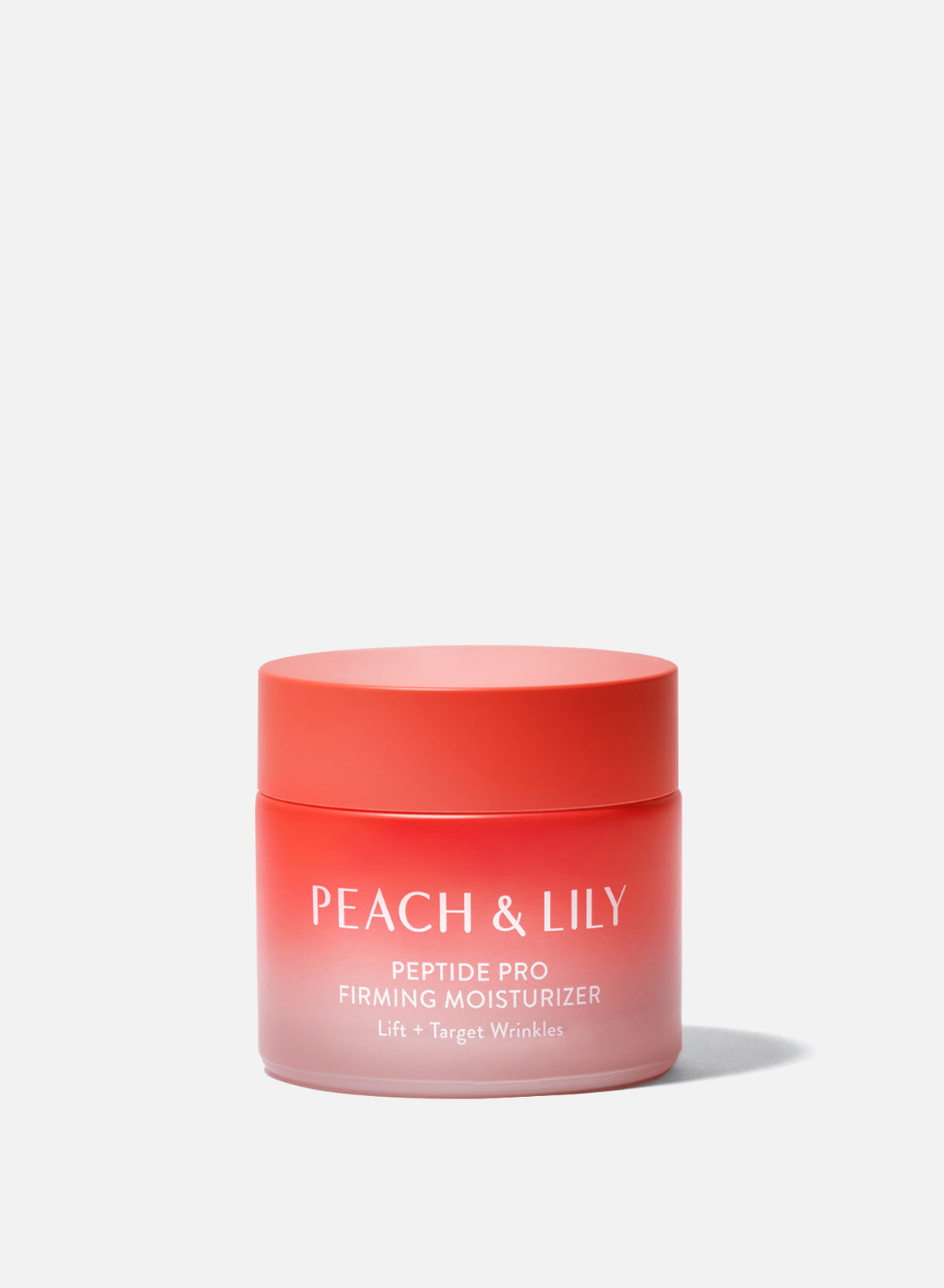
Peach & Lily
Peptide Pro Firming Moisturizer
A rich firming cream with twelve peptides, four amino acids and vegan collagen, aimed at the look of firmness along the jawline and cheeks.
- Best for
- Firmness & Elasticity
- Key ingredients
- 12 peptides · Vegan collagen · 4 amino acids · Ginseng · Hyaluronic acid
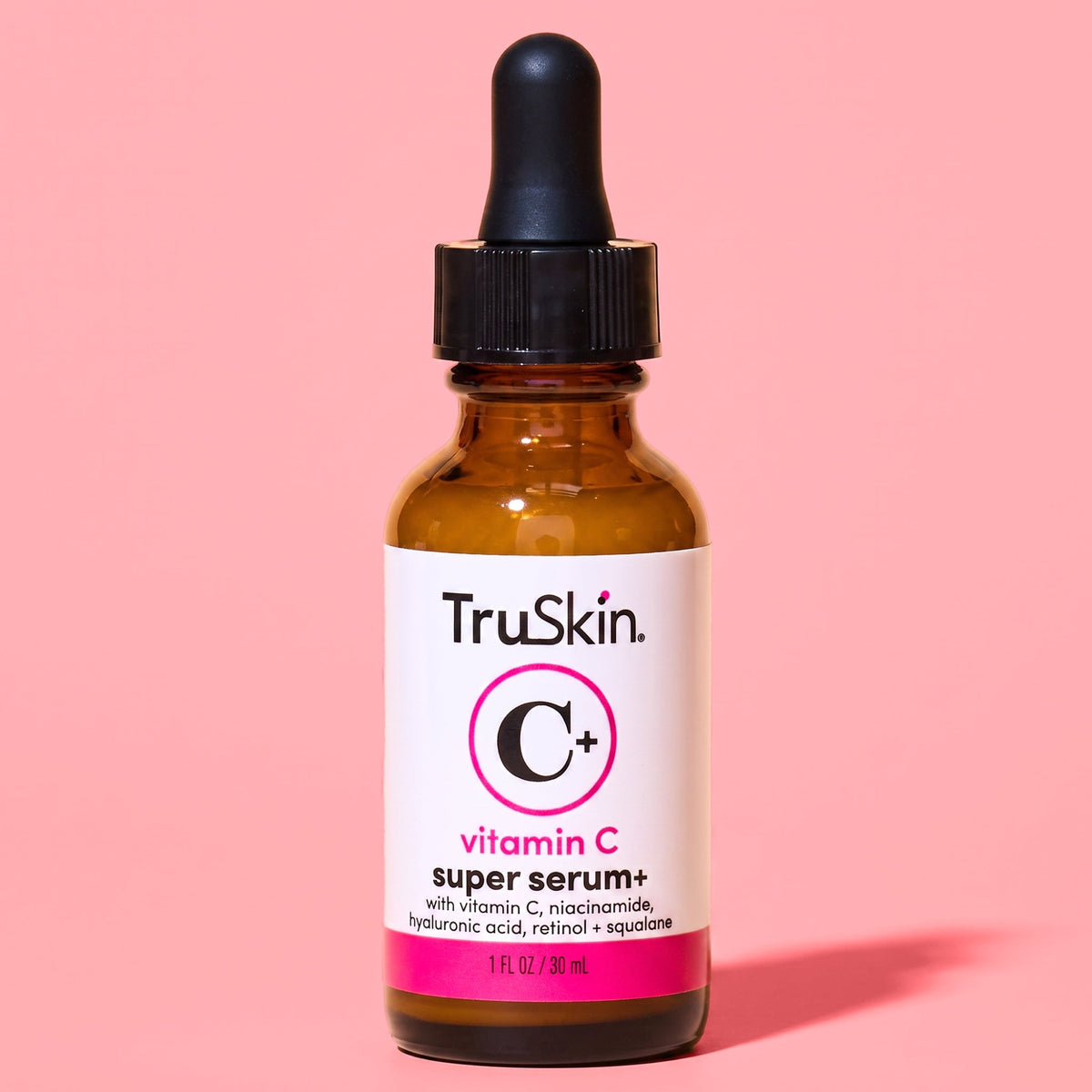
TruSkin
Vitamin C Super Serum
A five-in-one serum pairing stable vitamin C with retinol, niacinamide, hyaluronic acid and squalane for tone, texture and fine lines.
- Best for
- Serums & Treatments
- Key ingredients
- Sodium ascorbyl phosphate · Retinol · Niacinamide · Hyaluronic acid · Squalane
Questions
Frequently asked questions
What is the single most effective anti-aging product?
Broad-spectrum sunscreen, worn daily. After that, a retinoid — but only if you can use it consistently without irritation.
Can skincare really reduce deep wrinkles?
Topical products can soften fine lines and improve texture and hydration. Deep folds and laxity are mostly structural, and no cream will lift them. Be sceptical of anything promising otherwise.
How long before I see results?
Hydration improves within days. Texture and fine lines usually take eight to twelve weeks of consistent use, and firmness takes longer still.
Should I use retinol and vitamin C together?
Many people do — vitamin C in the morning, retinol at night. If your skin becomes reactive, alternate them on different days before you consider stopping either.
Keep reading
Related guides
- Beginner's Guide to Retinol After 40
How to start a retinoid without wrecking your barrier — strength, frequency, buffering, and what to expect in the first twelve weeks.
- How to Layer Skincare Products Correctly
The order that lets every product do its job — and the four layering mistakes that make a good routine feel like it is not working.
- Retinol vs. Peptides for Fine Lines
Two ingredients, two very different jobs. How retinoids and peptides compare on evidence, tolerability and results — and why you may not have to choose.
About the author
The Radiant Routine editorial team — Our editorial team reads published dermatology and cosmetic-science literature to explain ingredients and routines in plain language. We do not provide medical advice.
The content on this site is educational and is not a substitute for personalised advice from a qualified dermatologist or medical professional. If you have a skin condition, are pregnant or breastfeeding, or are using prescription treatments, please speak with your clinician before changing your routine.