Beginner's Guide to Retinol After 40
How to start a retinoid without wrecking your barrier — strength, frequency, buffering, and what to expect in the first twelve weeks.
Why bother with retinol at all
Retinoids are the best-studied topical ingredient for fine lines, texture and uneven tone. Nothing else over the counter has the same depth of evidence. The catch is that they are also the ingredient most likely to irritate, which is why a careful start matters far more than a strong product.
Step 1: choose a low strength
Look for a serum or cream described as beginner strength — around 0.1 to 0.3 per cent retinol, or retinaldehyde, which is one step closer to the active form and often better tolerated. A well-formulated 0.2 per cent used for a year will do more for your skin than a 1 per cent you give up on in a fortnight. If you are deciding between retinoids and peptides, see retinol vs. peptides for fine lines.
Step 2: start with two nights a week
Apply a pea-sized amount to clean, completely dry skin. Two nights a week for two weeks, then three if your skin is calm. More frequently is not more effective if the result is flaking and stinging.
Step 3: buffer if you need to
Moisturiser after the retinoid is standard. If you are sensitive, apply moisturiser first, wait a minute, then the retinoid — this slows absorption and reduces irritation. You can drop the buffering once your skin has settled.
Step 4: protect in the morning, every day
Retinoids make skin more sensitive to UV, so daily broad-spectrum sunscreen is not optional. It also happens to be the single most useful anti-ageing step you can take, so it is not a compromise.
What the first twelve weeks look like
- Weeks 1–2: some dryness. Occasionally mild flaking around the nose and mouth.
- Weeks 3–6: skin usually settles, sometimes with a brief purge of small bumps if you are acne-prone.
- Weeks 8–12: texture and fine lines start to look softer. This is when most people notice a difference.
If you stop, the improvement fades over months. Retinoids are a long-term habit rather than a course of treatment.
When to stop and reset
Stop for a week if your skin is stinging, red or peeling in sheets. Go back to a gentle cleanser, a barrier moisturiser and sunscreen — our dry skin ingredient guide covers what to look for. Then reintroduce the retinoid at half the frequency.
Three retinol myths
- "If it doesn't tingle, it isn't working." Tingling is irritation, not efficacy.
- "Stronger is better." Frequency and consistency matter more than concentration.
- "Retinol thins the skin." It thins the dead surface layer and supports the deeper layers — which is why sun protection matters.
This guide is educational and is not medical advice. If you are pregnant, breastfeeding, or using prescription treatments, speak with your clinician before starting a retinoid.
Products in this guide
Mentioned picks
Each listing is a starting point, not a prescription. Check the current ingredients and price with the retailer before you buy.
Affiliate disclosure: Some links on this site are affiliate links, including our Benable skincare collection. If you click one and make a purchase, we may earn a small commission from qualifying purchases, at no additional cost to you. We only include products we believe are worth your consideration. Read our full Affiliate Disclosure. Independent picks
Sample listing — add your brand
Barrier Repair Moisturiser
A ceramide-rich moisturiser designed to offset the dryness that actives can cause. The fragrance-free versions are the ones to look for if your skin is easily irritated.
- Best for
- Hydration & Dry Skin
- Key ingredients
- Ceramides · Cholesterol · Glycerin
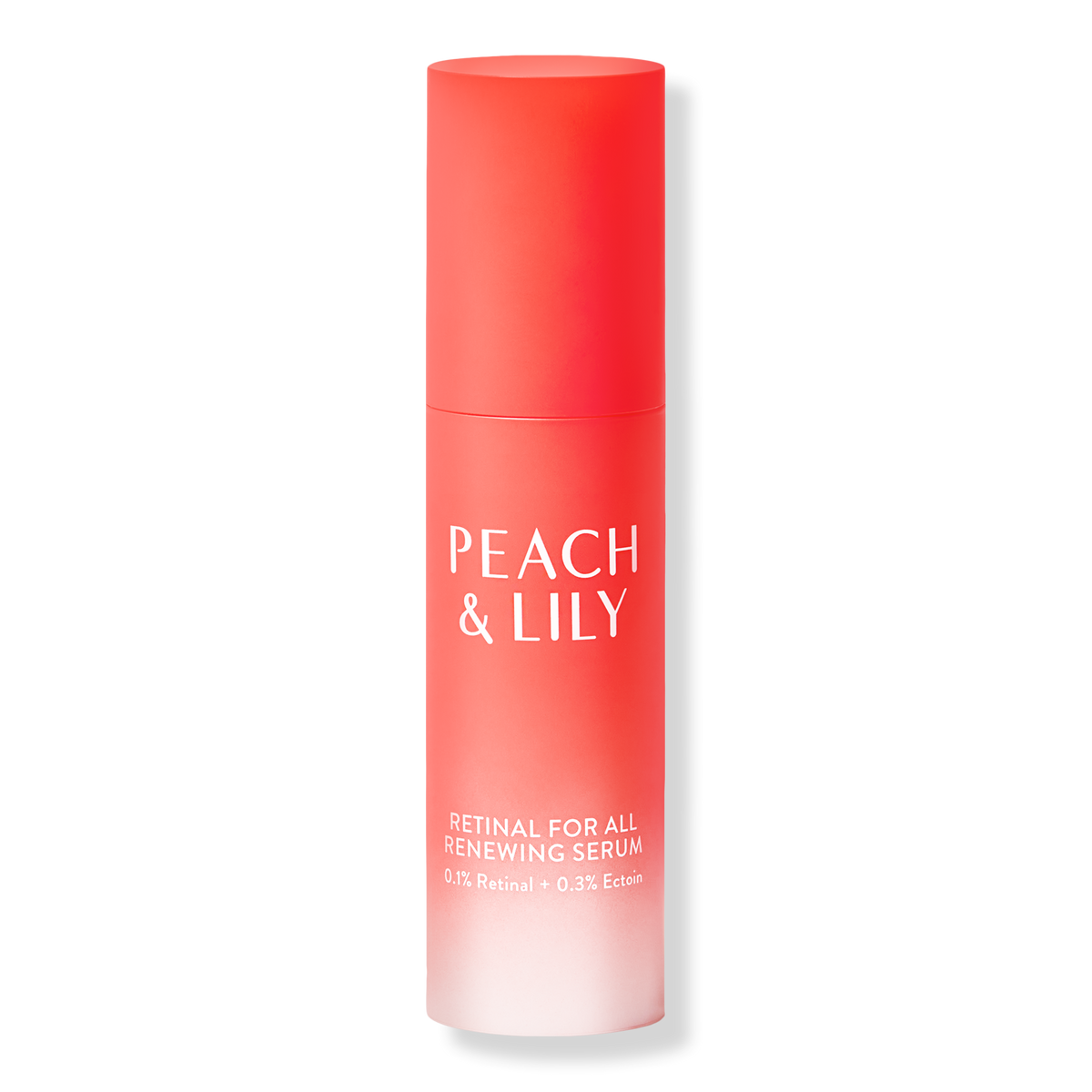
Peach & Lily
Retinal For All Renewing Serum
A night serum built on 0.1% encapsulated retinal with 0.3% ectoin — a gentle, gradual way into retinoids for fine lines and uneven texture.
- Best for
- Fine Lines & Wrinkles
- Key ingredients
- Encapsulated retinal (0.1%) · Ectoin (0.3%)
Questions
Frequently asked questions
What strength retinol should a beginner use?
Around 0.1 to 0.3 per cent retinol, or a retinaldehyde formula. Start twice a week and only increase once your skin has been comfortable for two weeks.
Should I apply retinol before or after moisturiser?
Before, on dry skin, then moisturiser on top. If you are sensitive, reverse the order temporarily to buffer the effect.
How long until I see results from retinol?
Most people notice softer texture and fine lines after eight to twelve weeks of consistent use. Hydration and tolerance improve much sooner.
Can I use retinol in summer?
Yes, with diligent daily sunscreen. Some people reduce to once or twice a week in strong sun if their skin becomes reactive.
Keep reading
Related guides
- Best Anti-Aging Skincare for Women Over 40: Fine Lines + Firmness
What actually changes in the skin after 40, the five ingredients worth your time, and how to build a routine for fine lines and firmness — with a realistic timeline.
- How to Layer Skincare Products Correctly
The order that lets every product do its job — and the four layering mistakes that make a good routine feel like it is not working.
- Retinol vs. Peptides for Fine Lines
Two ingredients, two very different jobs. How retinoids and peptides compare on evidence, tolerability and results — and why you may not have to choose.
About the author
The Radiant Routine editorial team — Our editorial team reads published dermatology and cosmetic-science literature to explain ingredients and routines in plain language. We do not provide medical advice.
The content on this site is educational and is not a substitute for personalised advice from a qualified dermatologist or medical professional. If you have a skin condition, are pregnant or breastfeeding, or are using prescription treatments, please speak with your clinician before changing your routine.