Hyaluronic Acid Benefits for Mature Skin
What hyaluronic acid genuinely does for mature skin, why it sometimes leaves skin feeling tighter, and how to apply it so it actually helps.
What it is
Hyaluronic acid is a molecule that occurs naturally in skin and holds an exceptional amount of water — which is exactly why it appears in almost every hydrating serum. In a formula it acts as a humectant: it draws water into the upper layers of the skin and holds it there.
What it does well
- Immediate comfort. Tight, thirsty skin feels better within minutes.
- Softer fine lines. When the surface is well hydrated, lines look less pronounced — a temporary effect, but a real one.
- A better canvas. Makeup sits more evenly on hydrated skin.
- Works with almost everything. It layers under a retinoid or a vitamin C without conflict.
The catch
Hyaluronic acid attracts water from wherever is nearest. If the air is dry — winter, air conditioning, an aeroplane — it can pull water from deeper in the skin instead of from the atmosphere, and some people find their skin feels tighter after applying it. This is a formulation and application issue, not a reason to give up on it.
How to apply it properly
- Cleanse, then leave skin slightly damp.
- Press two or three drops over the face, avoiding the eye area.
- Immediately seal it with a moisturiser containing occlusives or ceramides — this is the step most people skip.
- Use it morning and night. In very dry conditions, apply a facial oil or a richer cream on top.
The sealing step is the whole trick. Our dry skin ingredient guide covers which occlusives work best.
How it fits a routine after 40
Hyaluronic acid is a comfort and surface-hydration ingredient, not a treatment for collagen or elasticity. Use it as step three in the morning (after cleansing, before moisturiser) — see the morning routine — and again at night on non-retinoid nights.
Hyaluronic acid versus glycerin
Glycerin is cheaper, equally effective as a humectant, and often present in the same serum anyway. If your skin likes a glycerin-rich moisturiser, you may not need a separate hyaluronic serum at all.
If it does not suit your skin
Try a different formulation with a lower molecular weight blend, or switch to panthenol, glycerin or beta-glucan. Not every ingredient suits every face, and an uncomfortable product you stop using is worthless.
This guide is educational and is not medical advice.
Products in this guide
Mentioned picks
Each listing is a starting point, not a prescription. Check the current ingredients and price with the retailer before you buy.
Affiliate disclosure: Some links on this site are affiliate links, including our Benable skincare collection. If you click one and make a purchase, we may earn a small commission from qualifying purchases, at no additional cost to you. We only include products we believe are worth your consideration. Read our full Affiliate Disclosure. Independent picks
Sample listing — add your brand
Barrier Repair Moisturiser
A ceramide-rich moisturiser designed to offset the dryness that actives can cause. The fragrance-free versions are the ones to look for if your skin is easily irritated.
- Best for
- Hydration & Dry Skin
- Key ingredients
- Ceramides · Cholesterol · Glycerin
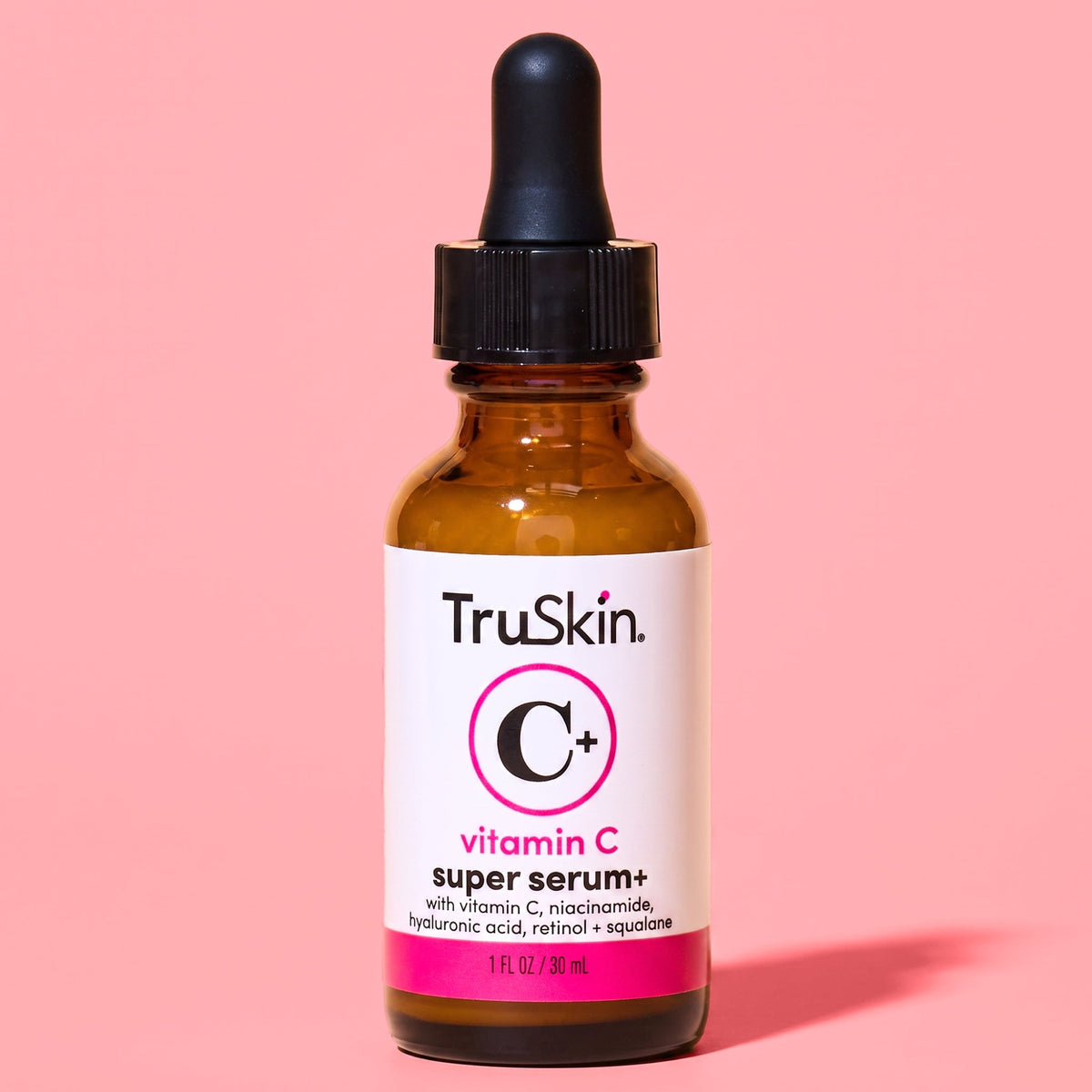
TruSkin
Vitamin C Super Serum
A five-in-one serum pairing stable vitamin C with retinol, niacinamide, hyaluronic acid and squalane for tone, texture and fine lines.
- Best for
- Serums & Treatments
- Key ingredients
- Sodium ascorbyl phosphate · Retinol · Niacinamide · Hyaluronic acid · Squalane
Questions
Frequently asked questions
Does hyaluronic acid really work?
Yes, as a humectant. It improves surface hydration and comfort, and softens the look of fine lines temporarily. It does not rebuild collagen or firm the skin.
Why does my skin feel tighter after hyaluronic acid?
In dry air it can draw water out of the skin instead of the atmosphere. Apply it to damp skin and always seal it with a moisturiser.
Can I use hyaluronic acid with retinol?
Yes. They work well together — the hydrating serum can even help offset retinoid dryness, applied before or after depending on your skin's tolerance.
Keep reading
Related guides
- Simple Morning Skincare Routine for Women Over 40
Four steps, ten minutes, no guesswork — a morning routine that protects your skin barrier and works under makeup.
- How to Layer Skincare Products Correctly
The order that lets every product do its job — and the four layering mistakes that make a good routine feel like it is not working.
- Best Ingredients for Dry, Mature Skin
Why skin gets drier after 40, and the handful of ingredients that reliably rebuild comfort — humectants, barrier lipids and the occlusives that hold it all in.
About the author
The Radiant Routine editorial team — Our editorial team reads published dermatology and cosmetic-science literature to explain ingredients and routines in plain language. We do not provide medical advice.
The content on this site is educational and is not a substitute for personalised advice from a qualified dermatologist or medical professional. If you have a skin condition, are pregnant or breastfeeding, or are using prescription treatments, please speak with your clinician before changing your routine.